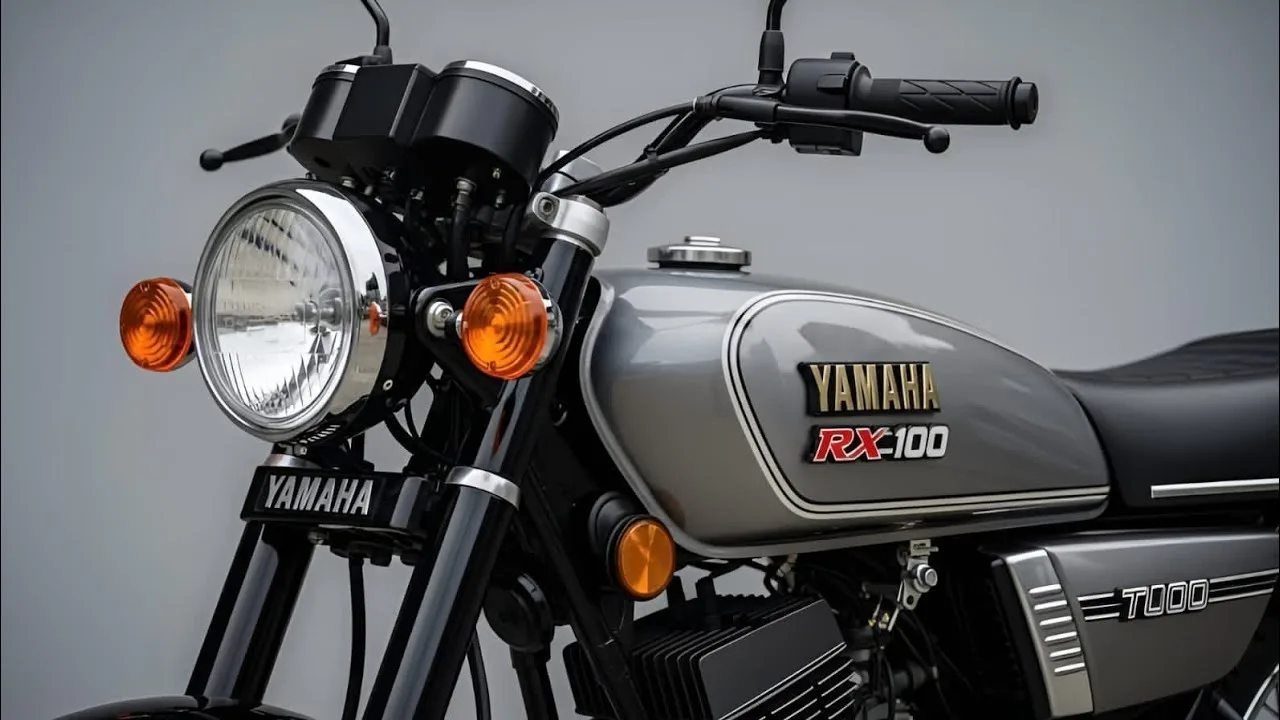
The Yamaha RX100 comeback story resurfaces almost every year, and 2026 is no exception. Search results are currently full of specific-sounding launch dates, prices, and horsepower figures for a bike Yamaha has never officially confirmed.
What Yamaha Has Actually Said
The closest thing to an official statement traces back to Yamaha Motor India chairman Eishin Chihana, who has previously acknowledged that recreating a two-stroke engine’s character with a modern four-stroke would be genuinely difficult. That’s an acknowledgment of demand and a technical challenge, not a product announcement.
No launch date, pricing, engine displacement, or spec sheet has ever come from Yamaha directly. Even automotive sites that cover the rumor routinely note, in the same breath, that there’s no confirmation from the brand.
Why the RX100 Still Commands This Much Attention
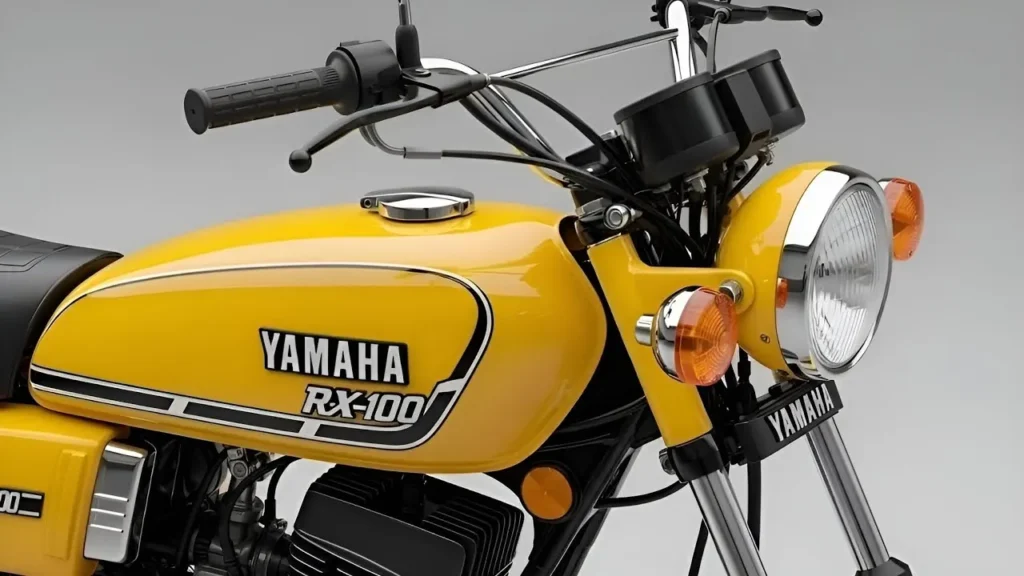
The original RX100 earned its legend fairly: a 98cc two-stroke single making 11.2hp and 10.45Nm, weighing just 103kg dry, and hitting a genuine 110km/h top speed at a time when most commuter bikes in India struggled past 60km/h. It was distributed in India via the Escorts Group from 1985 until production ended in 1996.
Its throttle response and sound became a cultural reference point that later four-stroke commuters, including Yamaha’s own lineup, never quite replicated for the enthusiasts who rode the original.
Where the “2026 Launch” Claims Actually Come From
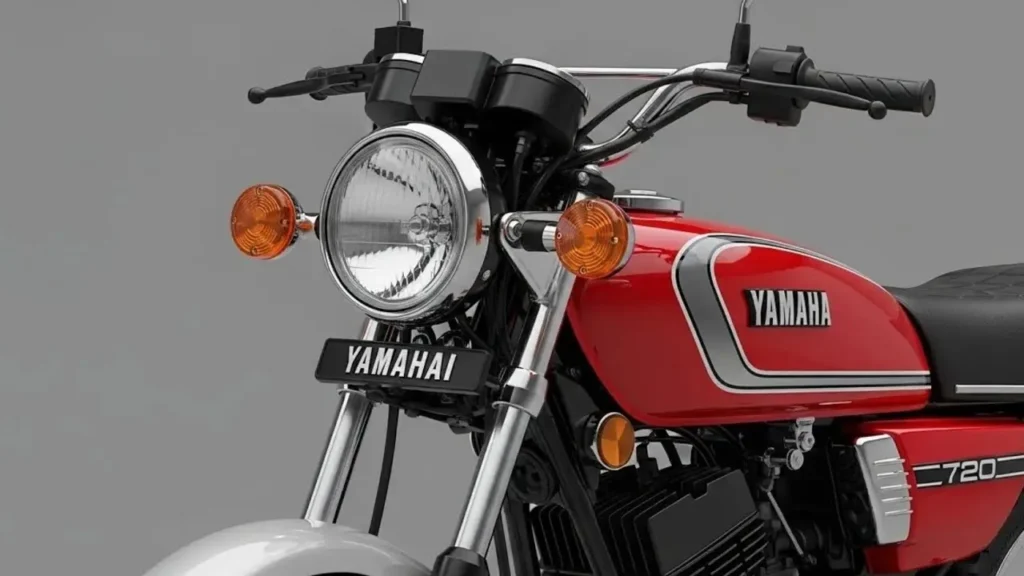
Set against its closest rivals in the retro-revival space, like Jawa and Royal Enfield’s genuinely confirmed relaunches, the RX100 story looks very different: those brands issued real press materials, showed real bikes, and set real prices. The RX100 content wave hasn’t.
What’s actually happening is a recurring content cycle: sites recycle the same unconfirmed chairman quote, attach a new “2026” or “2027” date, and add specific-sounding prices and top speeds that don’t trace back to any Yamaha source. Multiple videos and articles claim the bike has been “finally revealed” on different dates across the same year, which alone signals none of them reflect an actual single event.
Why Yamaha Benefits From Never Confirming or Denying It
Yamaha has little incentive to shut this rumor down, and that’s arguably a deliberate calculation rather than an oversight. Sustained, cost-free search interest and social buzz around the RX100 name keeps Yamaha’s broader brand relevant to a nostalgic buyer segment without Yamaha spending a single dollar on marketing or committing to a product that would carry real emissions, safety, and homologation risk under India’s current BS6+ norms. A genuine two-stroke revival is essentially a non-starter under those rules, meaning any real RX100 successor would have to be a four-stroke wearing a legendary badge — a much harder sell to purists than the rumor itself, which lets everyone imagine their own ideal version. The risk for Yamaha is reputational: the longer uncorrected rumor content circulates under its badge, the more a real product, whenever it arrives, will be judged against inflated, self-generated expectations it never actually set.
What Would Actually Need to Happen
For this to become real news rather than recycled speculation, watch for one of these: an official Yamaha Motor India or Yamaha Motor Corporation press release, a homologation or trademark filing specifically tied to a new model, or a bike physically shown at a motor show like EICMA, Auto Expo India, or a Yamaha-hosted event. None of those have happened yet.
Geographic Context
The RX100 was primarily an Indian-market nameplate, distributed through the Escorts Group, though related Yamaha two-stroke models sold under different names in other Asian markets during the same era. Any future revival, confirmed or not, would most logically target India first, given where the nostalgia and search demand is concentrated.
Reference Comparison: Original RX100 vs. Currently Available Retro-Styled Options in India
| Spec | Yamaha RX100 (1985, historical) | Royal Enfield Bullet 350 | Jawa 42 | Yamaha FZ-X |
|---|---|---|---|---|
| Price (then/now, approx.) | Discontinued; not currently sold | ~₹1.73L / ~$1,790 | ~₹2.10L / ~$2,175 | ~₹1.35L / ~$1,400 |
| Power/Torque | 11.2hp / 10.45Nm | ~20hp / 27Nm | ~27hp / 29.5Nm | ~20.8hp / 17.3Nm |
| Top Speed | 110 km/h (period-tested) | ~110 km/h | ~120 km/h | ~110 km/h |
| Fuel Economy | 25–40 kmpl (period figures) | ~35 kmpl | ~35 kmpl | ~40 kmpl |
| Status | Historical reference only — no confirmed successor | Currently on sale | Currently on sale | Currently on sale |
This table compares the original RX100’s documented historical specs against currently available retro-styled motorcycles in India — it is not a comparison against an unconfirmed future RX100 product, which does not yet exist in any verified form.

Dhanush H M is a passionate automotive journalist, rider, and tech analyst specializing in global motorcycle developments, electric mobility (e-2W), and two-wheeler engineering. At Motospoke.com, Dhanush leads coverage on major global launches, motorcycle safety technology, performance specs, and EV battery advancements across North American, European, and Asian markets.
With years of track, road, and technical testing experience, Dhanush focuses on stripping away marketing hype to deliver honest, data-backed insights for everyday commuters, adventure riders, and track enthusiasts alike.
